A Medium piece titled "Out Of Time: 10 Songs From The 90s That Belonged In The 80s" makes a pitch that anyone who grew up near a radio will recognize: some 90s songs showed up late to the 80s party. The writer's framing is that pop music changed abruptly when the decade turned, and a handful of tracks carried production, melodies, or attitudes that felt more at home in the decade before.
A quick honesty note before we go further: the summary of that piece we have doesn't include the ten song titles. So we won't guess at the list or pretend to know which tracks made the cut. What we can do is take the premise seriously and give you a field guide for spotting a "wrong decade" song yourself.
The Premise: Pop Changed Fast
The Medium piece describes the 90s as bringing abrupt changes to pop music. That's the engine of the whole idea. If the shift felt sudden, then it follows that not every song got the memo on time. A track written, produced, or styled in an older mold would sit oddly next to its neighbors on the charts.
That's a fun way to hear music, because it turns a calendar into a vibe check. A release date says 1994. Your ears say 1986. Somebody, somewhere, is wrong, and it's probably the calendar.
The Wrong-Decade Detector
The sonic markers worth listening for are the ones any pop nerd would reach for. These are my listening suggestions, not claims from the original article.
Synths and drum machines
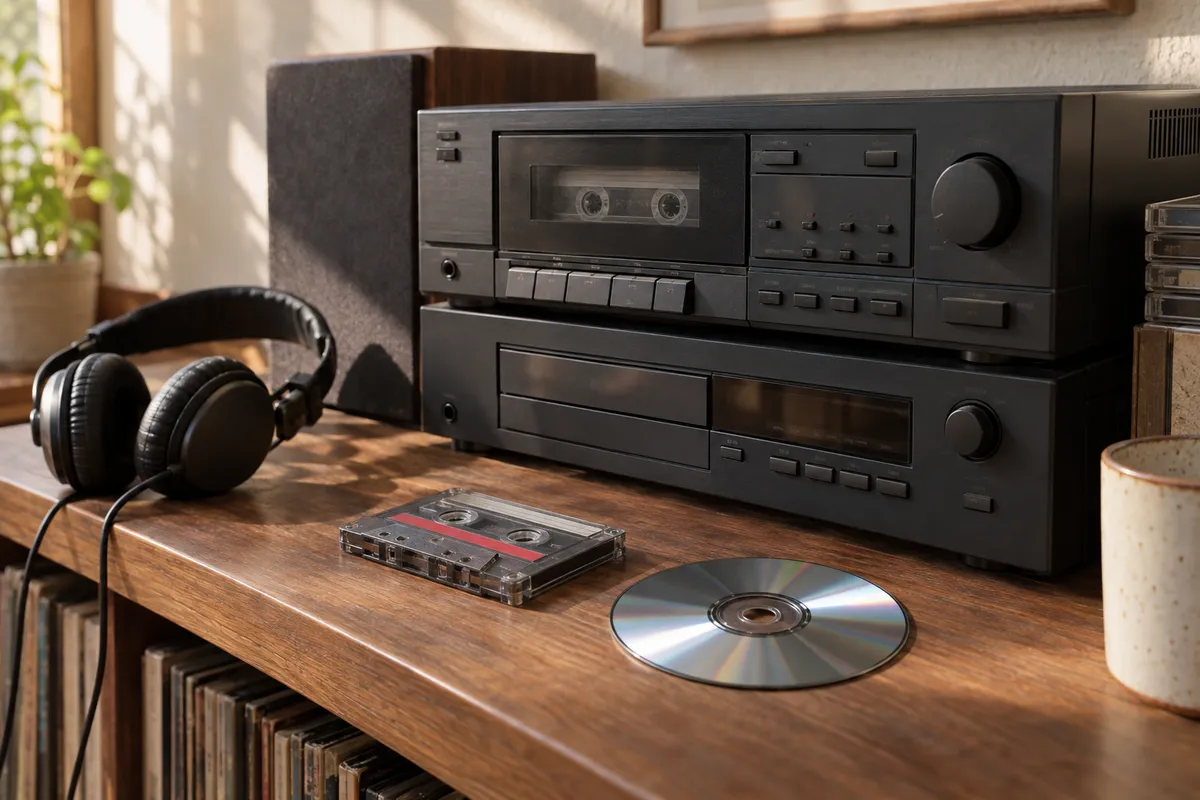
If the song leads with a glossy synth hook or a drum sound that feels programmed and polished rather than live and loose, your 80s radar should ping. It's hard not to hear that sheen as a time stamp.
Guitar tones
Guitars are the giveaway in rock. A big, bright, heavily processed sound reads differently than a rawer, more stripped-back one. Same instrument, different decade in the grain.
Vocal style
Listen to how the singer delivers the chorus. Soaring, theatrical, and dressed up with studio polish can feel like one era. Understated and shrugging can feel like another.
Attitude
The Medium piece specifically flags attitudes, not just sounds. A song can be earnest and widescreen in a moment when the mood around it was turning more guarded. That mismatch is half the charm.
Why This Idea Lands Right Now
Nostalgia cycles are driving renewed interest in both 80s and 90s pop, which makes decade-blending sounds especially timely for retro playlists. If you're already shuffling between the two eras, the songs that straddle them are the most interesting ones in the pile.
There's also a neat irony here. A song that felt out of step on release can feel perfectly in step now, when listeners treat the two decades as one big throwback buffet. The "wrong" decade becomes a feature. You could call it retro pop before retro pop was cool, and that's the angle I'd bet most listeners enjoy most.
Build Your Own "90s Songs With 80s Energy" Playlist
Since the original list isn't ours to reproduce, here's a do-it-yourself method that works with your own memory:
- Start with songs you remember from 1990 to 1999 that make you think of an earlier decade. Trust the gut reaction.
- Run the detector. Check for synths, drum machine feel, guitar tone, and vocal delivery. If two or more point backward, it qualifies.
- Look for production over fashion. Music video haircuts don't count. The sound has to do the time-traveling.
- Sequence it like a mixtape. Alternate a true 80s track with a suspect 90s one, and see whether friends can tell which is which. That's the real test.
- Argue about it. A good wrong-decade playlist should start at least one disagreement.
The Take
Decade labels are tidy, and songs are not. Pop history gets taught as clean handoffs: one era ends, the next begins, everyone changes their wardrobe. Real listening is messier. Sounds linger, producers stick with what works, and artists keep making the music they love long after the trend cycle moves on.
That's why the Medium piece's premise is more than a gimmick. The songs that sound lost in time are often the ones that tell you the most about how slowly taste actually moves. Go find the ten that fit your own memory, and let the calendar lose the argument.